Make your Self Assessment simple, accurate and on time
If you’re self-employed, a landlord, a director, or you’ve had untaxed income, you may need to file a Self Assessment tax return (SA100). We take care of the whole process from gathering records to submitting your return to HMRC so you avoid penalties and only pay the tax you owe.
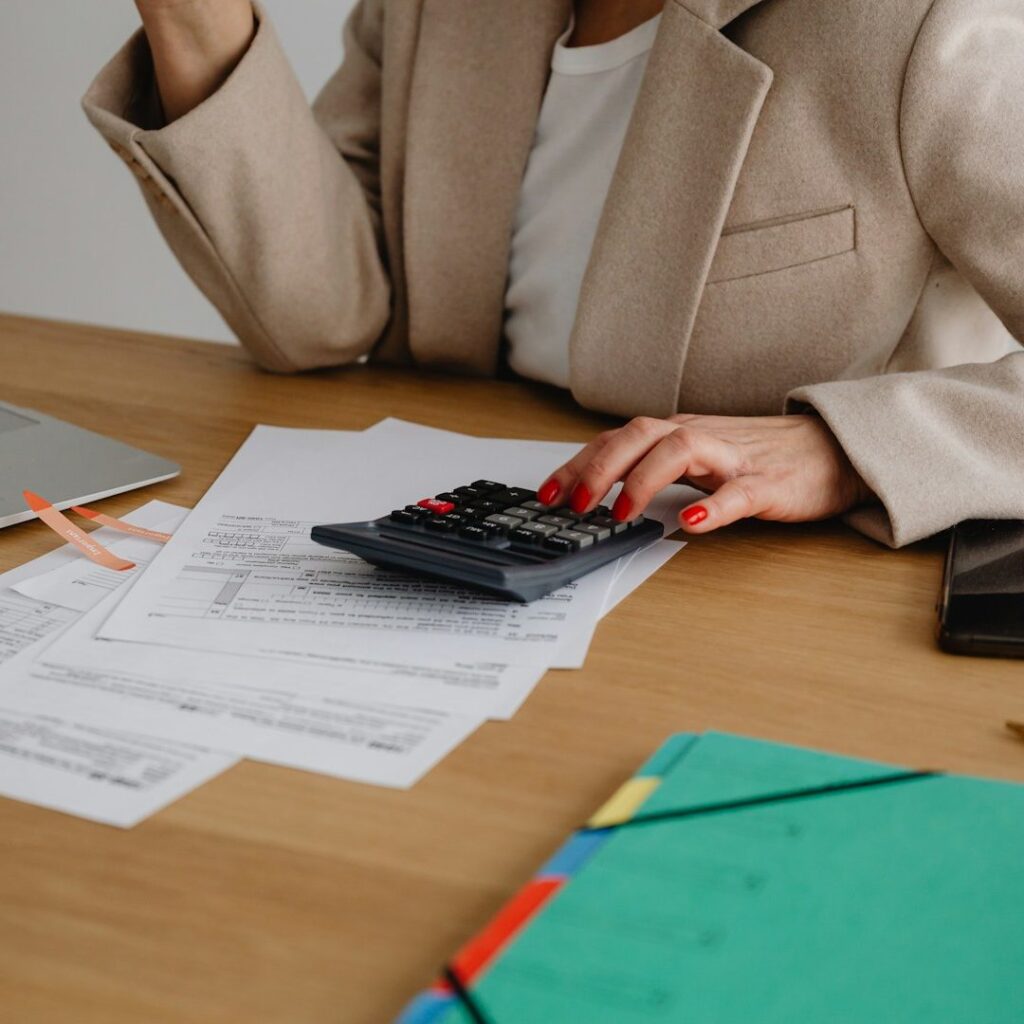
Our Self Assessment tax return service will:
- Deal with all your tax affairs
- Include employment income, pensions, benefits and expenses
- Handle investments and rental property
- Complete your tax return and all necessary schedules
- Calculate your tax position
- File your return online to HM Revenue & Customs
- Be available for all your tax queries and questions
Why choose us
- Specialists in SA100 for individuals with multiple income streams
- Proactive tax planning: we flag reliefs and opportunities before filing
- Clear communication: plain English, not jargon
- Year-round support: not just at deadline time
2025/26 Tax Return filing deadline:
Avoid last-minute stress. Our ACCA-qualified team files your HMRC Self Assessment before 31 January 2027
Time left until 31 January 2027
Self Assessment Tax Return FAQs
If you’re unsure whether you need to file or what to send us, these quick answers will help. Need personal advice? Book a free discovery call.
Who needs to file a Self Assessment tax return?
You usually need to file if in the tax year you were any of the following:
- Self-employed as a sole trader with income over £1,000 (before expenses).
- Partner in a business partnership.
- Landlord with rental income (even if making a loss).
- Director/shareholder receiving dividends outside PAYE.
- Received untaxed income (crypto, foreign income, capital gains, tips, freelance work, etc.).
- High Income Child Benefit Charge applies (usually if adjusted net income > £60,000 and you or your partner claimed Child Benefit).
What period does the return cover?
The UK tax year runs from 6 April to 5 April. For example, the 2025/26 return covers income from 6 April 2025 to 5 April 2026.
What is the online filing deadline?
The online filing deadline for the 2025/26 tax year is 31 January 2027. The balancing payment (and first payment on account if due) is also payable by 31 January 2027.
What are the penalties for late filing or late payment?
- Late filing: £100 immediately after the deadline, then £10 per day (up to 90 days), plus further penalties at 6 and 12 months (the higher of £300 or 5% of the tax due).
- Late payment: interest from the day after the deadline, plus late payment penalties (typically 5% at 30 days, 6 months and 12 months).
Penalties and interest are set by HMRC. Paying and filing on time avoids them entirely.
What are Payments on Account?
If your last bill (after PAYE) is over a threshold and less than 80% of your tax was collected at source, HMRC may ask for two advance payments towards next year’s bill, usually due on 31 January and 31 July. We’ll calculate and explain these for you.
What documents do you need from me?
- Personal: Full name, NI number, UTR (if you have one), address, date of birth.
- Employment: P60, P45, P11D, student loan plan details.
- Self-employment: Income & expense records (or bookkeeping export), bank statements if needed.
- Property: Rental income & allowable expenses, mortgage interest certificates, agent statements.
- Investments: Dividend vouchers, interest statements, capital gains (broker reports, disposal details).
- Other: Pension contributions, Gift Aid, foreign income, crypto summaries.
If you’re unsure, send what you have. We’ll guide you.
How do I get (or recover) my UTR?
You receive a 10-digit Unique Taxpayer Reference (UTR) after registering for Self Assessment. If you’ve lost it, it’s often on HMRC letters or your Personal Tax Account. We can help you request it securely from HMRC.
I have income from both employment and a side business. Do I still need to file?
Usually yes if the side income is above HMRC thresholds or untaxed. PAYE handles your salary, but your side income and expenses must be reported via Self Assessment.
Can you file my return if I’m not based in Oxford?
Yes. We work UK-wide with secure, digital onboarding and e-signing. Being Oxford-based simply means you can meet us locally if you prefer.
How long does it take?
Once we have all information, we typically turn around a draft within 5–10 working days (quicker outside peak season). Early booking gets faster turnaround.
What does your Self Assessment service include?
- Initial checklist & data review
- Preparation of computation and return
- Reliefs/allowances review (incl. Marriage Allowance eligibility)
- Payments on account review & planning
- Submission to HMRC and copies for your records
How do your fees work?
Fixed-fee quotes based on complexity (employment only, self-employment, property, capital gains, etc.). You’ll know the price upfront before we proceed.
What’s the easiest way to get started?
Get in touch. We're here to help your business succeed
Speak to an ACCA-qualified accountant in Oxford. Free initial consultation, fixed fees, no jargon.
☎ Phone
We’re available 8:30am–7:00pm Monday to Friday and 9:00am–6:00pm on Saturdays. Our offices are closed on Sundays.
Send us a WhatsApp message for a quick response, ideal if you’re busy during the day.
Email us at info@m-a-accounting.co.uk or use our contact form and someone will be in touch as soon as possible.